
Are dog toys important?

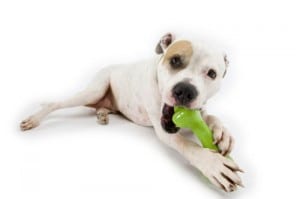
Dog with toyWhen it comes to humans, many say that we never stop buying toys – they just become more expensive with age. Toys are important to us, and they’re important to pets as well. To dogs, they’re even necessary.

Toys can:

  • Keep boredom at bay
  • Provide comfort
  • Prevent a pet from developing behavioral problems

Cats are generally picky about what toys they approve, but dogs tend to love everything they can get their paws on, and it’s wise to choose toys for them before they find something on their own.

What toys are safe?

The answer to that depends on many factors, such as the dog’s size, preferences, and activity level. A toy that can be perfectly safe to a small dog not interested in chewing can be dangerous to a large and energetic dog. Use common sense, and try to see it from the dog’s point of view.

Make sure the toy is appropriate for your dog’s size. Balls and other toys that are too small can be swallowed, or choke your dog. Not all dog toys for sale are safe or even appropriate. Remove any ribbons, strings, and other parts that can be chewed off and swallowed. If the toy is torn and falling apart it’s time to remove it.

Some toys, like rope toys that are braided with knotted ends, are great when they are new, but it is important to replace them once they’re worn and chewed, so the dog doesn’t eat any of the strings in the rope.

Always supervise play with squeaker toys. Many dogs feel the need to tear the toy apart and destroy the squeaker, and squeakers should not be eaten.

As a general rule, soft toys made for children should not be used by pets – the filling is dangerous and can in severe cases kill a dog. Not even “pet-safe” fillings are meant to be eaten. Dog-proof your home. Make sure your furry friend can’t get to strings, rubber bands, ribbons, children’s toys, pantyhose, and similar things that can be swallowed.

Therapy dogs at hospice

A hospice is a medical facility or at-home care that provides services and emotional support to a person in the last stages of a serious illness. A hospice facility is focused on reaching a good quality of life, and therapy dogs play an increasingly important role.

Many persons with hospice care have spent their lives with animals, and suddenly they can’t have a pet anymore. Therapy dogs provide the love, comfort, and companionship needed, and enrich the lives of both patients and families. The dogs can provide a physical contact many yearn for, combat loneliness, and make a person feel needed and wanted.

Hospice work isn’t for all dogs, or all handlers, but if it’s something you would like to do with your dog, it makes a big difference for the people who needs it the most.

In order to interact with the patients, the dog must prove itself reliable and with an appropriate temperament. The dogs must be at least one year old to be trained for hospice work, but other than that they can be large or small, mutts or pure breds. The dog must be healthy, and obey basic commands.

If you’re interested in hospice work with your dog, take a look at Therapy Dogs International. They have a testing brochure available telling you about the steps the dog must be able to handle, and you can read more about their testing requirements here.


Chewing problems?

Most – if not all – dog owners encounter a chewing problem sooner or later. Even the most well behaved pooch can fall for the temptation of chewing a shoe, a remote control, or why not a sofa cushion! Why is that, and what can we do about it?

To start with, why do dogs chew?

Puppies explore their world by putting things in their mouth. They do a good job exploring the world through their eyes and sense of smell, but one of their favorite ways to learn about things is chewing on them.

Puppies also teethe for about six months, and chewing makes the sore gums feel better.

Adolescent dogs – for some breeds this period can last up until they’re two to three years old – are a lot like human teenagers. There’s a lot going on in the body, they have energy to spare, they get bored, and sometimes they want to bend the rules a little. All this often adds up to unwanted behavior such as chewing, and the dog no longer has the extreme puppy cuteness to protect it. Unfortunately many dogs are given up during their adolescence, because their owners can’t cope with a teenager on four paws.

Adult dogs sometimes also chew. They don’t do it to spite their humans. Some common reasons why dogs chew on your belongings include:

  • As a puppy, the dog was never taught what to chew and what not to chew
  • Dogs often chew because they’re bored
  • The dog might suffer from separation anxiety
  • The behavior can be fear related
  • It’s a call for attention

If your problems stems from separation anxiety or fear, you might need to seek help from a behavior professional.

How can the problem be solved?

First of all, take responsibility for your belongings. If it doesn’t belong in your dog’s mouth, keep it out of reach. Make sure shoes, clothes, books, trash, remote controls, eyeglasses, and similar are kept out of reach.

Invest in good chewing toys that doesn’t look anything like the forbidden objects. Many let their dog chew on an old shoe, or make a toy out of an old sock. The difference between allowed shoes and socks and forbidden shoes and socks is clear to humans, but not at all as clear to dogs.

Spend extra time with your dog. Spending time with you will increase your bond, and help your dog learn acceptable behavior. If need be, keep doggie with you on a leash in the house, and confine him or her when you’re unable to keep your eyes on him.  Provide plenty of “safe” toys.

If you have a teething puppy, try freezing a wet washcloth and offer it for chewing – this can help soothe the sore gums. Supervise so your puppy doesn’t chew it up and swallow it.

Make sure your dog gets ample physical and mental exercise. Many chewing problems stem from the dog being bored. You might want to invest in puzzle toys, enroll in a training program, learn tricks, or take him jogging. You can also use meal-time as doggy entertainment. Instead of just pouring kibble into a bowl, mix it with a little peanut butter or soft dog food, stuff it into a Kong, and freeze it. Getting the food out will take a while, and give your dog something to work with.

If you catch doggie chewing on something forbidden, interrupt through making a loud noise. Then, offer an acceptable chew toy, and give lots of praise when he or she takes the right toy.


Guinness’ Fastest on Two Legs

Jiff is  a Pomeranian, cute as can be. He is also fast enough to be featured in the new edition of Guinness World Records book. He ran 10 meters on his hind legs in 6.56 seconds, and 5 meters on his front legs in 7.76 seconds.

Many dogs can balance on two feet, but few can walk or run on just the front paws.

Besides two-legged running, Jiff can also ride a skateboard, bow, stamp his pawtograph, and shake hands.

Naturally, this cute pup is already becoming a celebrity. He has appeared in TV ads, and in a video by Katy Perry.

//youtu.be/pM1dJGjRHOc

New Oregon Law is a Win for Animals

Late August the Oregon Supreme Court passed a ruling that changes how animals are treated under state law. Now, any animal can be seen as a legal victim in a case, and this gives animals more protection against abuse. 

For a pet lover, it’s evident that each pet is an individual. Up until now, the law has seen them as property. The new ruling means, for instance, that if a person abuses 20 animals he or she can now be sentenced on 20 counts instead of just one – each individual animal is a separate victim. This can, in turn, result in longer sentences and make it more difficult for abusers to expunge these convictions from criminal records.

The ruling also makes it easier for law enforcement to help animals in danger – if an animal is “property” an officer would need a warrant to step onto private property and for instance take the animal to a veterinarian. Getting a warrant can take four to eight hours, and that is enough time for an abused animal to die.

2014 has seen some great steps in the right direction for animal rights. Hopefully, the trend will continue until they are all protected.


Dog influenza outbreak in Manhattan

Dogs aren’t usually susceptible to the same viruses that make us sick, and the other way around, but they do get illnesses that are pretty similar to human sickness. This weekend, dog owners in Manhattan were warned about an outbreak of canine influenza.

The virus is highly contagious and airborne, so if you’re walking your dog in the area and encounter coughing dogs it’s wise to stay away. Symptoms usually show up within a week of infection.

A mild infection will resemble a kennel cough. The dogs become lethargic, some stop eating, and for some the condition progresses into pneumonia. In severe cases, the dog can die from the infection. Symptoms beside the cough include a runny nose and fever.

If you’re in the area, keep an extra eye on your doggie. There is a canine influenza vaccine available, and vets recommend this for dogs who will spend time close to other dogs.

If you decide to get a puppy

Sleeping puppyIf you decide to get a puppy, it’s important to know that puppies require a lot of time, attention, and training. As humans we tend to get excited over physical objects, and it’s fun to buy all the stuff a puppy needs, such as dog bed, bowls, toys, collar, leash, and food. These things are important for the puppy, but your time, consistency, and training are even more important.
When your new puppy arrives, it has just been removed from its mom and litter mates, and this is a big and scary world. He or she is vulnerable and needs security and routine.

Here are some good ideas to make the transition easier.

Schedule an appointment with your vet.

Your new best friend needs vaccinations. It can be dangerous for puppies to meet other dogs before they’re fully vaccinated, and many vets even advice against puppies touching the floor in the vet clinic or going outside before they have all their shots.

Play quietly and gently.

It’s tempting to flood the new puppy with attention and activity, but puppies need a lot of sleep. If he or she looks like it’s nap time, it’s nap time.

Decide who is responsible for what.

Routine is important to puppies. Who is responsible for getting puppy food and remembering when the puppy needs to eat? Housebreaking  a puppy is a lot of work; they need to go out after sleeping, after playing, and after eating, and this needs to happen at once. If you wait ten minutes to finish a phone call or watch the show your puppy is likely to have an accident.

Explain the rules from the start.

Encourage playing with the dog toys. Let the puppy know how good it is when playing with them. If he or she starts chewing on the furniture or other off-limits object, say “Off” and show one of the dog toys. Encourage taking the toy, and give lots of praise when the puppy plays with the right thing.

Never hit a puppy, give harsh reprimands, or scold the puppy for something that happened in the past. Positive and consistent training is the way to go.

Puppies don’t come pre-trained.

Some new puppy parents shout, “Come here, right now” and are upset when the puppy doesn’t get it. He or she has no idea what “come here” means. Enrolling in puppy class is a great idea. Here your furry friend will get socialization and learn how to behave around other dogs, and you will learn how to train your dog.

Puppies aren’t human.

It’s easy to assume they’ll understand our way of thinking, know what’s dangerous, or what’s good or bad. It doesn’t work like that. If you run into problems, ask for help.

Research dog breeds before choosing your furry friend

Many people believe that dog breeds mostly have an impact on the outside of the dog, but picking a dog just depending on looks can be a mistake. Different breeds are created through selection of certain properties, and it is important to pick a breed that fits with the family’s lifestyle.

The breed’s size and grooming needs play a role, of course, but the breed’s temper can be even more important.

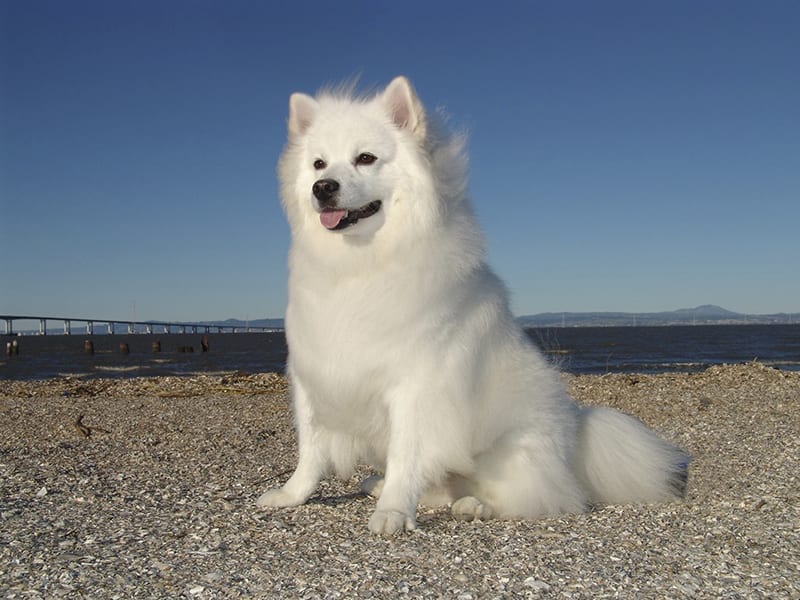
The American Eskimo is a great example. This cute bundle of fur looks pretty much like a Samoyed or Japanese Spitz, but is bred to be a guard dog. The average Eskie has a completely different personality than the average Samoyed, even though they look a lot alike.

American Eskimo
American Eskimo

Naturally, personalities between individuals vary as well. If you have children, make sure you find a dog that loves them. If the dog just tolerates them you might run into trouble if the kids get rambunctious or do something to the dog it doesn’t like. Dogs and children can be the best combination ever, or the worst.

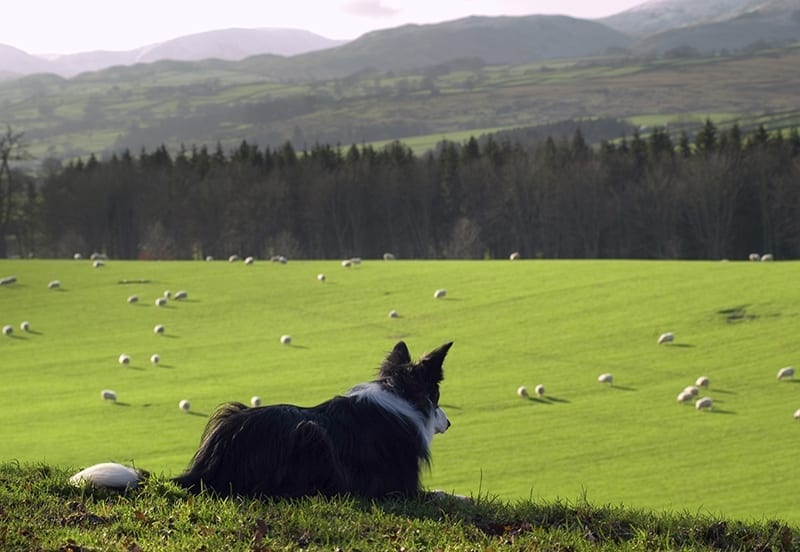
This problem is often emphasized when a breed becomes popular in media. The Border Collie is a great example – this breed is extremely smart and often used in TV shows, movies, and commercials. The dogs are cute and do tricks on TV, and they are fantastic companions for the right family. Unfortunately, many people get a Border Collie unprepared for dealing with an explosion of energy that wants to herd everything that moves and is smart enough to open doors and cupboards just to see what’s on the other side. A Border Collie needs a job to do. It doesn’t have to be herding, but if these dogs don’t get a task they’re likely to invent one.

Border Collie
Border Collies often herd everything that moves – including children and cars.

Dalmatians are another great example. They’re beautiful, and countless families have fallen for their children’s pleas after watching Pongo on TV, unaware that the average Dalmatian has an abundance of energy and needs something to do.

If you want a certain breed but doesn’t think the personality is right for your family, consider a mixed breed. They’re often much more laid back than their purebred relatives.

Also consider if you want to get a puppy or an adult dog. Puppies are adorable. They’re cute, small, are ready to spend their life with you. They also need a lot of attention, time, and training. Many are surrendered once they get out of the puppy stage and into adolescence, because they require more time and training than the family is prepared for, or able to give.

The breeds mentioned here are just examples. In order to research dog breeds, you can find some information on our site. Also take a look on the AKC website – they have a lot of breed information including average life span, known health issues, and grooming requirements.

Dog breeds perfect for apartment life

With recent dips in the economy, more Americans than ever live in multi-family units. While it’s possible to make almost any dog happy in an apartment, choosing a breed well-adapted to the lifestyle when getting a new family member can make things easier. Here are some examples of breeds particularly well suited to apartment life. 

Scottish Terrier

This is a family friendly breed that quickly grows devoted to the family. The dogs often come across as serious and can be aloof when meeting strangers, but they’re very loyal and loving towards “their” humans. Daily walks and fun toys generally satisfy their need for activity.

Bulldog

The average Bulldog loves a good nap on the couch. These dogs are good-natured and loving, and not interested in excessive exercise. They love to snuggle, watch TV, and keep an eye on what might be happening in the kitchen. Be aware that Bulldogs are sensitive to heat, and that they can’t swim.

Lhasa Apso

These dogs have a convenient apartment-friendly size, are affectionate towards the family, suspicious towards strangers, and independent enough to not be needy. A Lhasa Apso tends to adapt their level of activity to that of the family. A daily walk and some play time keeps the dogs happy. Downside? The elegant coat requires a lot of grooming.

Pug

The Pug is a charming, playful, and affectionate bundle of love. These dogs can adapt to most environments and lifestyles – as long a they get to be a part of the family. As long as your Pug gets to be with you, he or she will likely be happy to chill in the sofa, go for a walk, visit family, or dress up in a costume.

Greyhound

The Greyhound is often called the 45-mph couch potato, and that describes them very well. An average Greyhound likes to mosey around the block with you, or run all he can for five minutes. When that’s done, they like to snuggle up somewhere soft and comfortable. As a bonus, they rarely bark and are easy to groom.

Five vocal dog breeds

While there are many dog breeds known for being quiet, such as the Newfoundland, Great Dane, Italian Greyhound, and the Whippet, others have a lot to say. Here are five talkative dog breeds. 

Beagle

The average Beagle loves to sing along with sirens and bark at real or imagined strangers. Fans of the Beagle singing voice say it’s quite musical, but if your neighbors don’t appreciate being serenaded around the clock you’ll want to make sure your Beagle is active and occupied.

Pomeranian

These little cuties are the smallest of the Spitz breeds, but they don’t know they’re small. Pomeranians are active dogs that require attention, exercise, and something to do. They’re too small to bark loudly, but the average Pomeranian barks a lot.

Chihuahua

These small, sassy dogs can be quite protective. Many neglect to train them because they’re so small – what harm could they possibly do – but all dog breeds require training and socialization. Lack of training often leads to never-ending barking and bad behavior. Spend some time training and playing with your Chihuahua from a tender age and you’ll get a great dog.

Basset Hound

The average Basset Hound is good natured and friendly. Most Basset Hounds aren’t as active as other hounds, but they’re still quite good at howling. It’s usually not a problem if the dogs are allowed to be with the family, but a Basset Hound abandoned in the back yard is likely to share his feelings with the rest of the neighborhood.

Alaskan Malamute

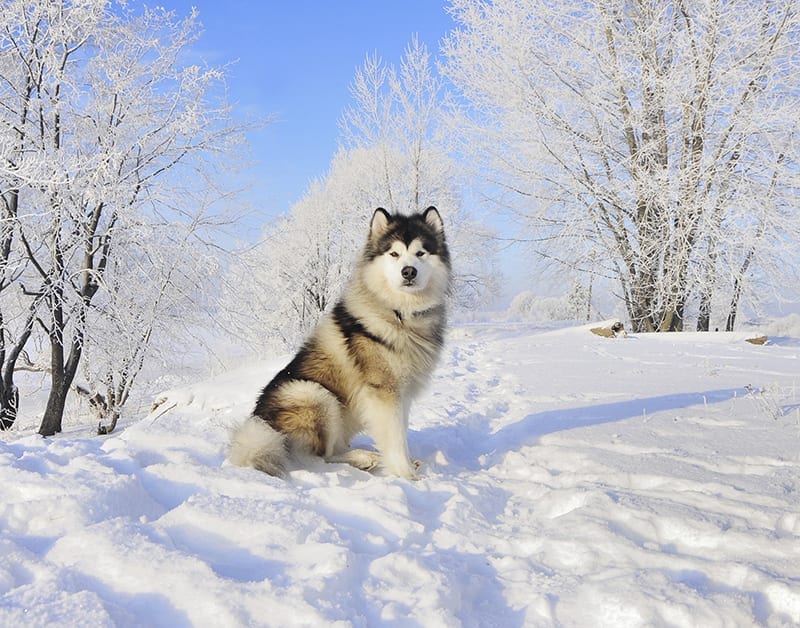
These dogs are cheerful, friendly, large, and strong. If you’re considering adding a Malamute to the family, be aware that these dogs are bred for hauling heavy loads long distances in the most inhospitable climate imaginable. In other words, the average Malamute needs something to do. They’re experts at climbing and digging.

Few Alaskan Malamutes bark excessively, but they often howl along with sirens and like to talk to you with a “woo-woo,” sometimes imitating the intonation of human words.


Alaskan Malamute

The beautiful Alaskan Malamute has been known to sing along with sirens

Prepare for emergencies

Summer is a wonderful time, but can hold some extreme dangers such as hurricanes. Every year, families lose their pets in weather-related emergencies, and while some are reunited, other families search in vain for years. Here are some tips on preparing for emergencies, to make sure everyone is unscathed. 

Prepare in advance

Make sure all pets are microchipped, and that the information connected to the microchip is correct. Your vet can help you read the chip number, so you can double-check. Put a tag with your contact information on each pet’s collar.

If you don’t already have decals on your windows informing rescue workers that there are pets in the household, this is a good time to put some up.

Check your emergency kit

If you already have a pet emergency kit, look it over to make sure everything is up to date. If you don’t have one, make one, and keep it with your family’s emergency kit. Pack things in plastic zip-lock bags. Good ideas for your kit include:

  • At least two weeks’ supply of any pet medications.
  • Extra collar with ID-tag for each pet, and sturdy leashes.
  • Photocopies of pet health records, and a recent photo of you and your pets. In case the worst happens and you’re separated the photo will help you search, and help you prove that you’re the rightful owner.
  • Two week supply of water and food along with bowls.
  • First aid supplies. Many vets have good lists of things you might need. You should at least have bandages, tweezers, tape, scissors, and antibacterial ointment.
  • Crate with bedding and a toy your pet will recognize. This  can help your pet cope with stress and new environments.
  • Poop bags and similar supplies.

Have a plan

When something happens it usually happens quickly, and it can be difficult to make the right decisions in a stressful situation. The more you prepare in advance, the better your chances of everyone staying together and being okay.

Know where to go if you need to evacuate. If you need to leave your home, do everything in your power to bring your pets along. If it isn’t safe for you to stay, it isn’t safe for them, and animals left behind are often lost, injured, or killed.

Check emergency shelters in your area. Many don’t allow pets, and you need to find one where everyone is welcome. Make a list of relatives and friends that can shelter you and your pets in case you have to leave the area completely. Also make a list of pet boarding facilities, and keep all these numbers and addresses in your pet emergency kit.

If you stay at home during the emergency, keep your pets with you in a safe room. Put them in their carrier or on a leash ahead of time – if there’s a tornado you don’t have time to dig the cat out from under the sofa. On a leash or in a carrier you can bring your pets quickly, and you have them under control.

It can be difficult to stay calm, but do your best to keep your composure. If you’re anxious, pets and children will feel it and be anxious too.

National Check the Chip Day!

If you pet goes walkabout or is stolen, the chances of getting him or her back increases if the pet is microchipped. However, the chip only works if the registration information is correct. Check the Chip Day is created by AVMA – the American Veterinary Medical Association – and the AAHA – the American Animal Hospital Association.

To update your pet’s registration you need your pet’s microchip number. If you don’t already have an account with the manufacturer you need to do that as well, so you can update the information if something changes in the futures. It’s particularly important that your phone number and address are correct.

Most animal shelters and veterinarians will search a big database updated by the chip’s manufacturer. If you have your chip’s number, you can try to search it here to see if the information is correct: //www.petmicrochiplookup.org

How do you greet a dog?

An English Mastiff requires an extra large PlexiDor dog doorAs much as we might want them to be, dogs aren’t human. Many incidents with dog bites could be avoided if everyone understood that we’re different. It’s tempting to greet a new dog like a new person or even a child, but not a great idea.

Many humans say hello to dogs they don’t know by bending over him or her and ruffling the top of the dog’s head. This might seem like a great idea to us, but to a dog it’s rude and might even be perceived as threatening.

Children tend to run up to dogs and try to pet their faces, accidentally poking the dog’s eyes, or want to hug the dog. This can cause the most well behaved and kind pooch to growl or even bite.

So, what should you do when meeting a new dog?

First of all, ask the owner’s permission to approach the dog. If he or she says no, accept it and move on. There might be many reasons why it isn’t a good time to make a new friend.

If the owner says yes, a good way to greet a dog is turning your body sideways, relaxing, and not staring. In doggie language, looking away is polite and staring means a challenge. Give doggie time to become curious and approach you.

If the dog comes up to sniff you, it is curious and interested. It might sniff you and pull back, and that means it wants some more space.

Many dogs are more comfortable if you crouch down with your side turned to him or her. Remember not to loom over the dog when you switch position between standing and crouching, and don’t stare. You want to come across as polite and friendly in doggie language.

Let the dog approach at its own pace. If it seems relaxed and comfortable – loose and wiggly body and relaxed eyes, ears and mouth – you can gently touch its side. If that goes well, pet its side. When you withdraw your hand you should be able to see if the dog wants more attention or not.

High-end homes with pet suites

Standard Pacific Homes is one of the nation’s largest home builders with around 190 communities around the USA. Building houses isn’t new, but some of the builder’s options are innovative.

The builder offers in-home pet suite and spa with everything from special storage for toys to easy-to-enter showers. The pet suites range from 50 square feet up to 170 square feet. The cost of the addition varies depending on size and area.

FOX 35 News Orlando

Three myths about lost dogs

Lost dogs need help to get home to their families. If your dog wanders off, people might tell you some of these myths. It’s very important that you don’t believe them – keep looking for you dog! Some tips of what to do if your dog goes walkabout can be found here.

Myth One: Just wait for your dog to come home

Around 20 percent of lost dogs find their way back home, and it is a good idea to have someone at the house in case your pet shows up. However, the vast majority of lost dogs don’t come home on their own. That means you’ll never see him or her again if you don’t go out and look.

Myth Two: Old dogs go off to die

Old dogs wander off for many reasons. Intending to die alone is usually not one of them – lost old dogs who are found are generally extremely relieved to be found.

Elderly dogs often have diminished sight or hearing, they can be confused, have trouble with their balance, suffer a stroke, or have problems with their back legs and fall. They don’t mean to wander off any more than a human with dementia really means to leave home. If you have an older dog, always watch him or her.

Myth three: Your dog was killed by a Coyote

Over the past decade records on missing dogs show over 70 percent were found, and fewer than 3 percent were killed by coyotes. This myth is much more dangerous to dogs than any predator, because if people believe it, they stop looking. Almost any other explanation you can think of is more likely than your dog being killed by a Coyote.