Alabama pup leads police to owner

Bo is an Alabama pooch who recently made himself popular amongst  the police – and very likely less popular with his owner.

The police was at the owner’s house with a drug search warrant, and when the owner dashed away from the house to a nearby wooded area, officers told Bo to “go get him.” The happy puppy obeyed and took off so quickly officers lost sight of him.

Just as they were about to give up, someone spotted Bo’s wagging tail over the high grass where his owner hid. The owner is now taken into custody on several charges, and happy puppy Bo is placed with relatives. The local animal control checks in on the husky/pit bull mix, and he is doing fine.

Image from CNN.com
Image from CNN.com

Do you want an intelligent dog?

Most Afghan Hounds do well with a Large PlexiDor Dog DoorWhen posed with the question if you want an intelligent dog or not, most are bound to answer “Yes.” Of course everyone wants a smart companion that can solve problems and figure things out just like in the movies. Right?

To be able to answer the question, we first have to define intelligence – there are different types of smarts, both in people and in pets. When it comes to dogs, we normally classify three types:

Instinctive Intelligence is what a dog is bred to do, and does naturally without special training. Herding breeds, for example, will often herd without being trained to do so.

Adaptive Intelligence is what a dog can learn by itself.

Obedience Intelligence is what a dog can be taught to do.

Most people think of obedience intelligence when discussing dog smarts, but there are more factors that weigh into that category than just brainpower. Some breeds are, for instance, more willing to please humans than others, and they will be easier to train.

Dogs with a high adaptive intelligence are good at figuring things out. That can be great in many situations – and not so great when the dog teaches itself to open doors and drawers.

When you decide what breed to get, think of what you really want from your dog. Do you want a high-energy brainac, or someone that will learn tricks and do what you tell them?

Which breed is smartest?

Border Collies are generally considered the smartest dogs. They rank high in all three forms of intelligence.

Afghan Hounds are considered the least smart when it comes to obedience intelligence. That doesn’t necessarily mean that they’re the dumbest when it comes to adaptive intelligence.

Cats are generally smarter than dogs when it comes to adaptive intelligence, and they’re really good at using their paws. Dogs are more willing to be trained and score higher on obedience intelligence.

Just how smart is a dog?

The average pooch can learn 165 words. The smarter breeds can learn around 250 words, and the smartest (Border Collies) over 1,000 words. On top of that, dogs have an understanding of basic arithmetic. Depending on breed they can count at least up to four or five, and they understand addition and subtraction.

Many believe that dogs don’t understand time, but that’s not entirely true. We haven’t been able to measure a dog’s perception of time, but they certainly know that some events happen in order.

Can I make my dog smarter?

Yes, a dog’s brain needs training just like a human’s. Dogs raised in a stimulating environment will learn faster and become smarter than dogs that are raised in a boring environment. New challenges and experiences help develop the brain.

Hurricane and Jordan protect the White House

The Secret Service has previously had problems keeping fence jumpers away from the White House. It’s hard to stop a runner without shooting them, and as recently as September a person managed to jump the fence and med it all the way inside the Executive Mansion. Someone tried again a few days ago, but this time, four-footed officers Hurricane and Jordan were there to thwart the attempt.

Hurricane and Jordan might not be the kind of Secret Service heroes Hollywood shows us on the silver screen, but they are real, fast, and efficient. The two Belgian Malinois dogs caught the intruder within seconds and held him until human agents caught up with them.

The intruder tried to kick and punch the dogs, and they were slightly injured in the line of duty, but received swift veterinary care. Attempting to injure law enforcement animals is a bad idea – the intruder may now be prosecuted not just for illegally enter the White House grounds, but also be prosecuted under the Federal Law Enforcement Animal Protection Act. The act makes it illegal to even try to inflict injury upon animals used by federal law enforcement.

Hurricane is a six year old Belgian Malinois, and he likes his Kong toy. Jordan is a five year old Belgian Malinois, and he likes walks around the White House.


//youtu.be/9btuZ1xJzyE

Keep Halloween candy away from the dog

Joy!Halloween is just a week away, and while dogs may dress up and go trick or treating, we have to be cautious with what we feed them. Many children want to share, and this is a kind side that should be rewarded, but pets should not eat human candy – or decorations. 

If you will have plenty of candy and/or children in your house, or take your dog trick or treating, it’s a good idea to bring some safe dog treats.

The four most common hazards around Halloween are:

1. Chocolate

By now most people know that chocolate is dangerous to pets. It holds a strong allure and many dogs will go to great lengths to get to chocolate, so keep it safely out of reach.

2. Overindulging in treats and candy

Human candy in general isn’t good for pets – it contains too much sugar and artificial substances. Sugar-free candies often contain Xylitol, which is potentially lethal to pets.

3. Raisins

Raisins and grapes can cause kidney failure in dogs. Treat raisins like chocolate and keep them in a safe place.

4. Wrappers

Wrappers smell and taste like candy. Eating cellophane and foil can obstruct the bowel and require surgery. Get rid of all wrappers at once so they don’t pose a temptation.


Five common mistakes amongst dog owners

There are many health benefits to petsDogs and humans are so different, and even though we want our dogs to be happy, there are some common mistakes that are stressful for dogs. Small changes can have a big impact on the dog’s well being, and in the long run make the whole family happier.

1. Dogs need exercise

Most people have crammed schedules and it can be hard to find the time and energy to exercise the dog. It’s wise to choose a dog breed with energy needs that fit your lifestyle, but even breeds that are mostly inactive and content with being indoors need some exercise.

Letting the dog into the yard isn’t enough. Take your furry friend for a daily walk, or play ball together. There are many ways to make sure your dog gets sufficient exercise, and you can have fun while doing it together.

2. Don’t take your dog’s food bowl away while their eating

Many people think they need to take the dog’s food away in the middle of each meal, or take the toy the dog is playing with. If your dog is properly raised and socialized he will share food and toys with you if needed, and you don’t have to keep taking it away to prove the point. Your dog won’t understand why you keep taking it, and there’s a big risk he will end up stressed, anxious, and even aggressive from knowing the food will disappear.

3. Crates are not meant for punishment

A crate can be a great training tool and your dog’s sanctuary. It needs to be a safe place where your dog can rest and feel secure. Many owners use the crate for time-outs when the dog has done something wrong, but dogs don’t understand that. Using the crate for punishment won’t solve the problem with whatever the dog did wrong, and it can ruin the dog’s safe place.

4. Teach your dog what’s right instead of yelling

It’s human to raise one’s voice when someone doesn’t listen, but it doesn’t work on dogs. If your dog doesn’t have basic training, he won’t understand to come to you because you shout louder. Watch yourself during a day – if you yell a lot at your dog, you might need to take him to doggie school, or at least look over your methods of training. Make a point of rewarding the right behavior instead of scolding the wrong.

5. Is your dog alone too much?

Dogs are social, and many dog owners work more than eight hours a day or travel a lot. If you have a dog it’s important to fit in time for exercise and play. If you can’t do it yourself, consider finding a dog walker or daycare. If your dog is alone to much they’ll be sad, stressed, and unhealthy.

Did your dog eat something he shouldn’t?

There are many stories about dogs eating everything from stuffed toys to gravel. Some dogs never get into trouble, and others eat everything they can get a hold of. If your best friend falls into the latter category it’s wise to dog-proof your home. If doggie can’t get to something, he won’t eat it.

If your dog still manages to eat the remote control or something from the laundry pile, go see a vet. If your normal vet is closed, call the nearest emergency animal clinic and tell them what happened. Some objects will pass on their own, but others can create great damage.

Many pet owners are tempted to wait and hope for the best – even if the dog ate something toxic – but it’s not a wise course of action. Call a veterinarian. The more time that passes, the costlier it will be to fix the problem – and the more dangerous to your pet.

Common signs that your dog ate something he shouldn’t have include vomiting, gagging, stomach pain, lethargy, loss of appetite, changes in bowels, and changes in behavior.


Choosing a dog toy

Labrador RetrieverBuying a toy for the pooch can be much like buying a present for a toddler – the box turns out to be more interesting than what’s in it. 
We’ve written several posts about dog toys before, discussing examples of good dog toys, whether dog toys are important, and how to get the most out of dog toys, but there’s still one aspect to cover: what dogs like.

Dogs are very much individuals, and toys that appeal to one dog might do nothing for another. Some dogs think a tennis ball is bliss, others find it completely uninteresting. Personal preferences aside, most dogs agree that toys that taste good, make noise, or can be torn apart are interesting. Hard and quiet toys are less interesting that soft and noisy toys.

Dogs need mental stimulation as well as physical exercise, and new toys are more interesting than old toys. For that reason it can be a good idea to keep most of your dog’s toys tucked away and rotate them on a weekly basis – that way they will stay interesting longer.

Dogs are more interested when their person plays with them. If we’re exceed, they’re excited. Playing alone is pretty boring, but playing with their human is the best thing ever.

Naturally, keep an eye on your dog when playing with toys that can be torn apart and swallowed.

Five energetic dog breeds

When choosing a dog it’s wise to get a breed whose needs fit with the family’s habits. A family that values sofa time above everything else will likely run into trouble with a high energy dog that needs a lot of exercise and mental stimulation, and an active family that’s always on the go might be disappointed if the dog isn’t up to hiking, bike riding, or whatever it might be.

As a rule of thumb, working breeds are energetic, need a lot of activity, and are happiest when they have a job to do. This is particularly true when it comes to the herding breeds, because they’re bred to act individually, to make decisions, and to run non stop day after day.

If you’re considering an energetic breed, think about the following two questions:

  1. Can you handle a dog with endless energy that’s rarely tired or interested in a nap? Many intelligent dogs are also “teenagers” longer than other breeds, which can mean puppy energy in an adult body for years.
  2. Do you want an independent thinker that can draw conclusions – and gets bored quickly?

Here are five of the most energetic dog breeds. They’re all beautiful and make great family friends, but without ample exercise and mental stimulation they will all invent something to do – like remodeling all your furniture or checking what’s behind the wall paper.

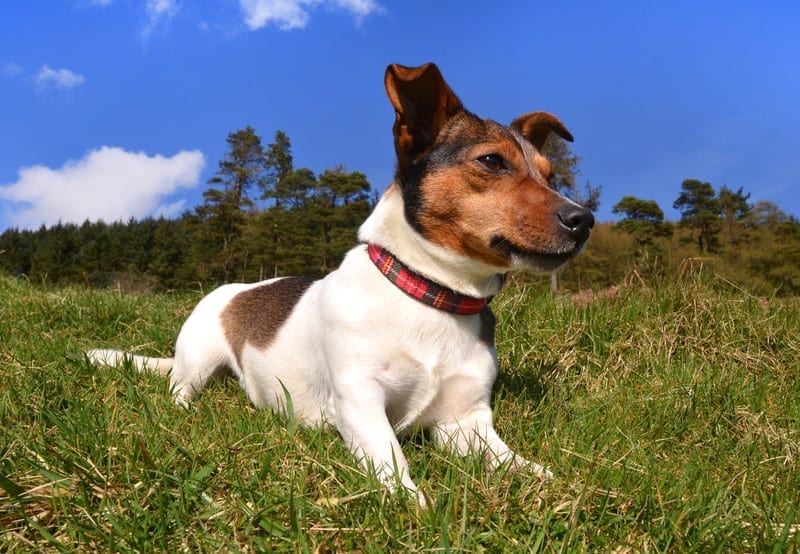
5. Jack Russell Terrier

You might not think such a little and charming dog can get into much trouble, but Jack Russells were bred to work and can be very intelligent and active. If left with too much time on his paws, the Jack Russell is likely to find a stimulating task. Like, excavating the garden – these dogs love to dig.

Jack Russell Terrier

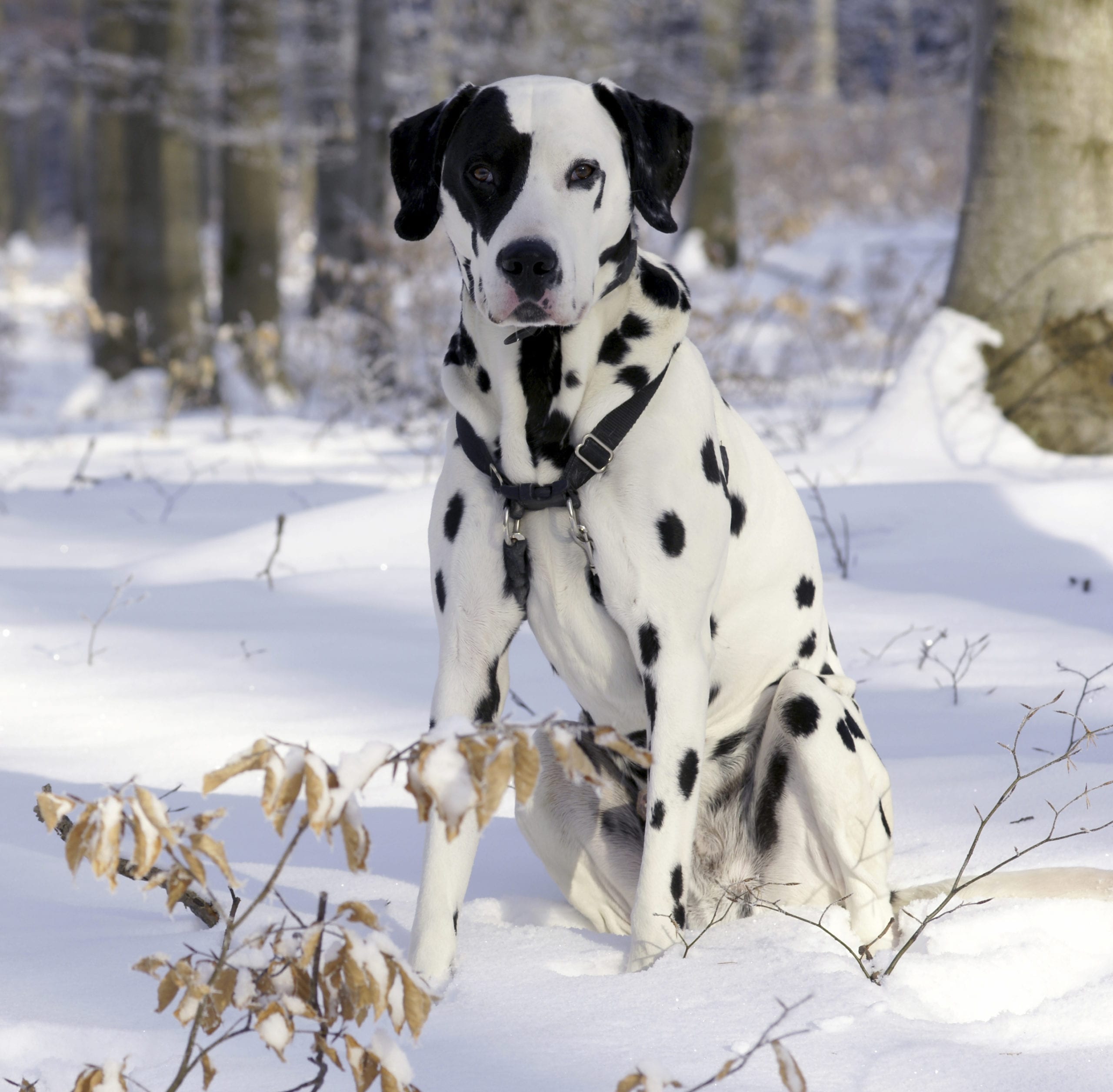
4. Dalmatian 

These are wonderful dogs for the right family: loyal, friendly, intelligent, playful, and energetic. The breed originally guarded stables and fire houses, and ran with coaches and horses all day. This required a lot of energy and stamina. Dalmatians require a lot of exercise and continuous mental stimulation.

Dalmatian

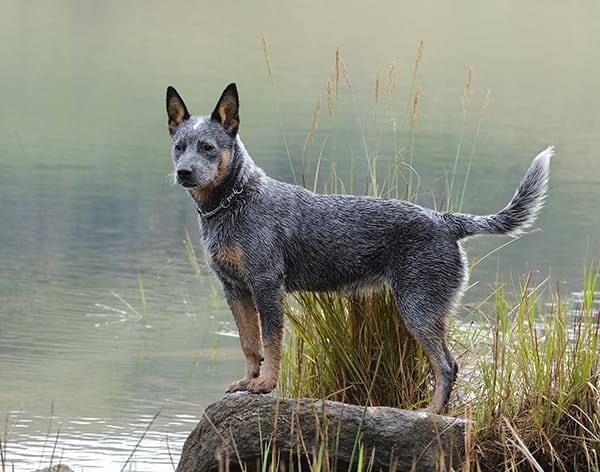
3. Australian Cattle Dog

These dogs are also known as red heelers or blue heelers, and they’re known for impressive stamina and endurance. They’re amazing if you’re looking for a running buddy, or plan to work or compete with your dog. If you only have time for a short walk each day and the rest of the time will be spent in an apartment, this might not be the best choice.

Australian Cattle Dog

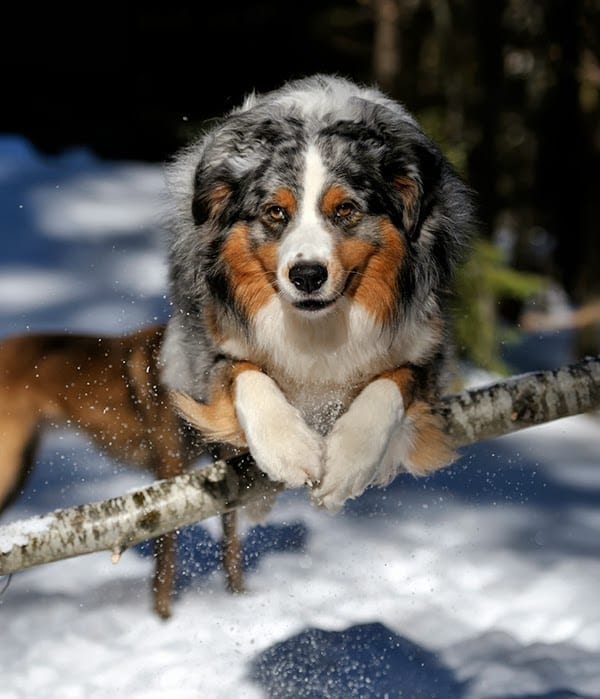
2. Australian Shepherd

While the Australian Cattle Dog is a breed from Australia, the Australian Shepherd comes from the USA and got its name from herding Australian sheep. This is a devoted breed who loves the family, but they’re also really smart and energetic. Like the other dogs in the list, the Aussie does best when there’s plenty to keep him occupied.

Australian Shepherd

1. Border Collie

The Border Collie constantly tops lists with smartest dogs, and this isn’t just because they’re easy to train – they are masters of independent thinking. Match that with explosive energy, and the Border Collie can be a handful for the wrong family. While exercise is great, just running won’t make the Border Collie tired – mental stimulation is required.

Border Collie

Did you know there’s a rattlesnake vaccine for dogs?

Every year, around 300,000 dogs and cats are bitten by venomous snakes in the USA. While many dog owners may know they live in an area with rattlesnakes, they might not know there’s a vaccine available for dogs.

The vaccine has been developed to provide protection against the Western Diamondback Rattlesnake’s venom. While it is most effective against bites from this particular snake, it also gives some protection against similar venoms through generating protective antibodies that can neutralize the venom.

Dogs with the antibodies experience less pain and have less risk of permanent injury from a bite. Vaccinated dogs typically have less swelling, less tissue damage, and recover quicker. If the dog is bit it should still see a veterinarian.

How often the dog should be vaccinated depends on how big the risk is, how big the dog is, and other factors.

If your dog is bitten by a rattlesnake or other snake, it is always an emergency. Even a vaccinated dog needs to see a veterinarian for evaluation – the dose of venom can be more than the immunity from the vaccine can handle. Bites from non venomous snakes are also serious, because they can lead to infections, and the dog might need antibiotics. If your dog is bit by a snake, time is of the essence. Go see at vet at once.

To learn more about rattlesnake vaccine, click here to visit Red Rock Biologics.

Rescue dog saves family from fire

A couple of years ago, Teddy the Golden Retriever was alone in a state park in Livonia NY, slowly starving to death. Teddy was lucky – he was rescued, and adopted by Ms Vanzandt who nursed him back to health.

When Teddy’s owner headed out of the country for a short trip, she dropped the dog off with her son and his family. Little did they know how important the dog’s stay would be: he woke them up in the middle of the night, just in time to escape a blazing fire.

The fire started downstairs when flames in a fireplace melted through the mortar between the bricks. Without the dog, the family sleeping upstairs would probably never have woken up. Just minutes after everyone made it out of the house, the building was a ball of flame.

All their belongings are gone, but thanks to Teddy no one in the family was hurt.

Ten signs you’re a dog person

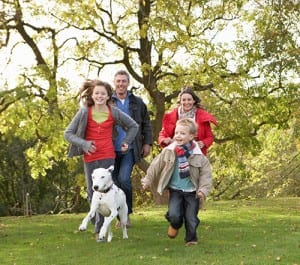
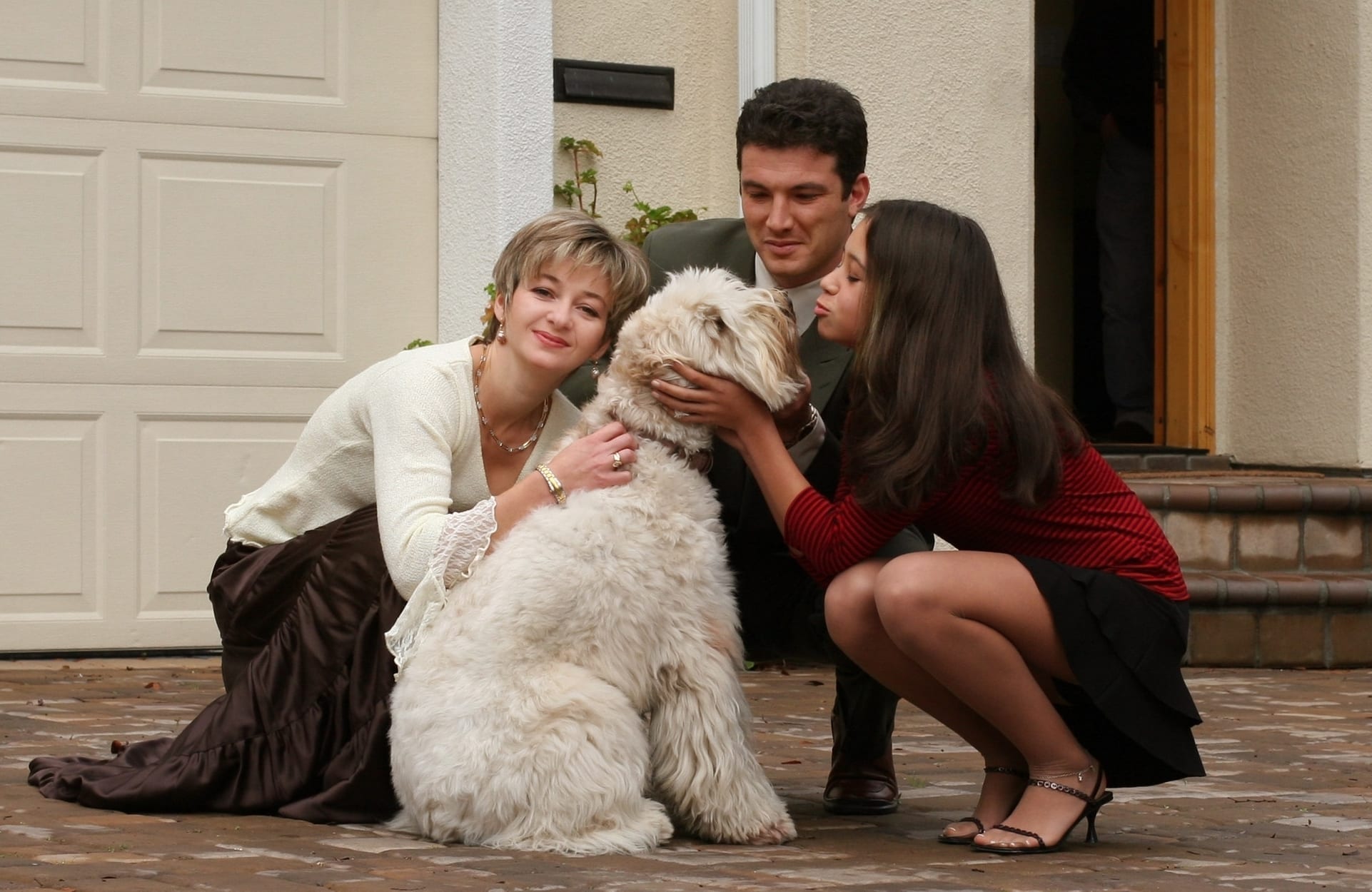
Girl and dogIf you have a dog – or several – life tends to revolve around the furry friend. Here are ten signs you’re a dog person.
1. Your house is littered with old tennis balls, chewed toys, squeaky stuffed animals, rawhide bones, and maybe even sticks from a nearby tree.

2. All efforts to keep windows clean fail – the nose art just keeps reappearing.

3. You know the names of dogs in the neighborhood, but not of the people.

4. You’re always finding empty plastic bag in your pockets and purse.

5. People with dogs are more attractive than people without dogs.

6. If someone says they don’t like dogs you don’t find them trustworthy.

7. You don’t care what happens to people in movies, but you worry the dog might die.

8. ASPCA commercials make you cry.

9. Your dog gets wrapped Christmas presents, and maybe even their own birthday cakes.

10. When you travel, you miss your dog more than your family.

Did we miss any points in the list?

Science shows how much we love our pets

People love their pets. Coming home to the waiting cat or dog can be the highlight of the day, and many experience separation anxiety if they have to leave their pet for an extended period of time. A new study shows there is a biological explanation to our connection to pets.

The study compared MRI scans of brains of mothers looking at images of their dogs and images of their own children. Both types of images activate the same areas of the brain – with two differences: the photo of the child activated a region associated with forming bonds while the photo of the dog activated an area associated with facial recognition.

The next step will be to replicate the experience with men and women without children.

It is too early to conclude exactly what this means, but we already know pets are good for physical, emotional, and psychological well being. Many studies show pet owners live longer, have lower blood pressure, and get other physical advantages to non pet owners.

There are many health benefits to pets

Nearly half of states have laws saving pets from abusive relationships

Nearly half of the US states have laws saving pets from abusive relationships in cases of domestic violence. The laws allow courts to order the protection of pets using the same statutes that protect the pet’s owner with restraining orders and similar.

That means that if a dog’s owner is the victim of domestic violence and gets an order of protection against the abuser, the pet is safeguarded under the same order.

Many pets get stuck in the middle of abusive relationships where the abuser use their victims’ dogs and cats as pawns – often killing them in the process. 70 percent of victims of domestic violence report that their abusive partner has threatened to hurt or kill a pet.

Some women’s shelters in the USA allow women to bring pets when fleeing an abusive situation, but many cannot offer this service, and nearly 50 percent of women in an abusive relationship  stay to protect their pet.

Without these laws, the abuser can keep the pet or try to take it. The abuser can also try to get visitation rights. With the law, pets can be placed in safe foster homes until their owner gets settled.

Dog keeps human from chasing cars

Many dog owners have problems with their pooches chasing, or even attempting to herd cars. In the case of Ruby and Garrett it’s the other way around, and this golden retriever does a fine job keeping her human safe.

Garrett is a little boy with a severe case of autism who tends to wander off.  Even with several locks, deadbolts, and alarms on the front door he would leave and go to other people’s houses, or just walk in the middle of the street. He also has a disorder making him want to eat unsuitable items, puts himself in danger, and needs 24/7 supervision. The situation was so bad the family avoided going anywhere out of fear of losing him.

The arrival of Ruby changed everything.

Ruby is a service dog who has undergone extensive training by Tender Loving Canines to help her autistic boy. She not  only keeps track of Garrett – she is also his first and best friend. Persons with autism have a hard time expressing themselves and often can’t make friends, but that doesn’t mean they don’t get lonely. Before Ruby Garrett would barely talk, and now he sings songs to his dog.

Before Ruby was placed with the family, the trainers made many visits to make sure she was the right fit, that she would be gentle with Garrett, and he with her. They still make follow up visits, and right now Ruby undergoes training to track him in case he wanders off.


//youtu.be/ub9Z29R9zqg

Surfing dogs?

Many dogs participate in sports, such as agility, dock diving, and flyball, but surfing might not be the first that comes to mind when thinking of dogs and sports. Believe it or not – it’s a real thing, and the first surfing dogs in the USA were documented in the 1920s.

In dog surfing, a dog is trained to surf either alone or with a human on the board. There is also tandem surfing with two or more dogs surfing together – the Guinness World Record for most dogs photographed on a surfboard is eighteen.

This video clip is from the 1930s where a dog named Night Hawk surfed with his owner, Philip K. Auna in Waikiki


//youtu.be/nfeWlHVyBZQ


One of the most famous surfing dogs right now is no doubt Surf Dog Ricochet who interacts and surfs with children with special needs, people with disabilities, veterans with PTSD, and wounded warriors. Besides being great at surfing and having won countless contests, Ricochet is a certified therapy dog. On her website you can find information about the PTSD Battle Buddy Initiative, how to teach a dog to surf, and many other things.

The tips about teaching a dog to surf includes what type of surf board is suitable, how to teach the dog to stand on the board, and many other useful things.


//youtu.be/GFVk0vJUGs0